Construct institutional-grade asset allocations using equity markers, precious metals, and real estate yields.
Distribute capital across multiple channels to maintain liquidity and compound interest distribution.

Direct ownership of company stock shares. Best for high growth returns but carries moderate volatility risks.

Diversified baskets tracking entire market sectors. Minimizes single-stock risks with low maintenance fees.

Hard asset preservation. Acts as a hedge against currency inflation and banking system instability.

Acquire shares of commercial real estate holdings. Collect high quarterly dividends without property management tasks.

Build tax-deferred portfolios inside structures like IRAs and 401ks to shelter capital distributions.

Lend funds directly to federal governments. Receive stable guaranteed coupons over designated periods.
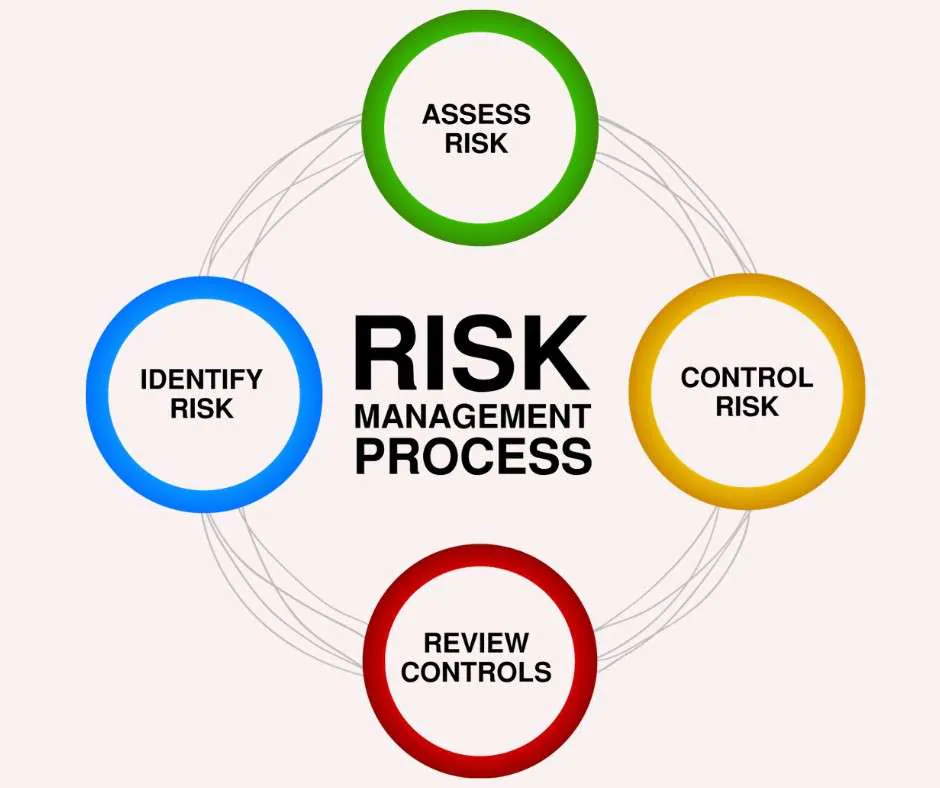
A successful investor focuses on managing risk rather than guessing future returns. Diversification is your absolute defense against market downturns.
By holding uncorrelated assets, drops in one market sector are balanced by gains in another. This stabilizes your portfolio value and helps you avoid selling during market crashes.
Sell high-performing asset groups to buy underperforming ones to reset your target risk mix.
Keep 5% of your portfolio in cash equivalents to buy quality assets during market corrections.
Understand the parameters of major assets before investing your hard-earned capital.
| Asset Category | Average Annual Returns | Risk Level | Liquidity Scale | Reinvestment Yield |
|---|---|---|---|---|
| Equities & Indexes | 8% - 10% | High | Very High | Dividends (1% - 3%) |
| Real Estate Trust (REIT) | 7% - 9% | Medium | High | Rentals (4% - 7%) |
| Gold Bullion | 3% - 5% | Medium | High | None (Price growth only) |
| Sovereign Bonds | 3% - 4.5% | Low | High | Semi-annual Coupons |
Macroeconomic policies, interest rate changes, and global trade shifts affect how your assets perform. Our quantitative team monitors these dynamics to help keep your portfolio on track.
High inflation erodes bond yields. Consider adding commodities, real estate, and TIPS to hedge against rising prices.
Invest a fixed amount of money every month. This strategy buys more shares when prices are low and fewer when prices are high, lowering your average cost.
Book a video session with a Certified Financial Planner to map out your portfolio allocations and tax shields.